
How Much Toys Does a Child Really Need?
Introduction
Many children's rooms are overflowing with toys—from building blocks and dolls to electronic gadgets. But is more always better? This guide explores how much toys children truly need, the importance of thoughtful selection, and how parents can create a balanced play environment.
1. The Illusion of “More”
Parents often want to give their children everything. Advertising, social media, and gift-giving traditions reinforce the idea that a room full of toys equals happiness. Yet studies show that too many toys can overwhelm children, reduce focus, and limit creativity.
2. Less Toys, More Imagination
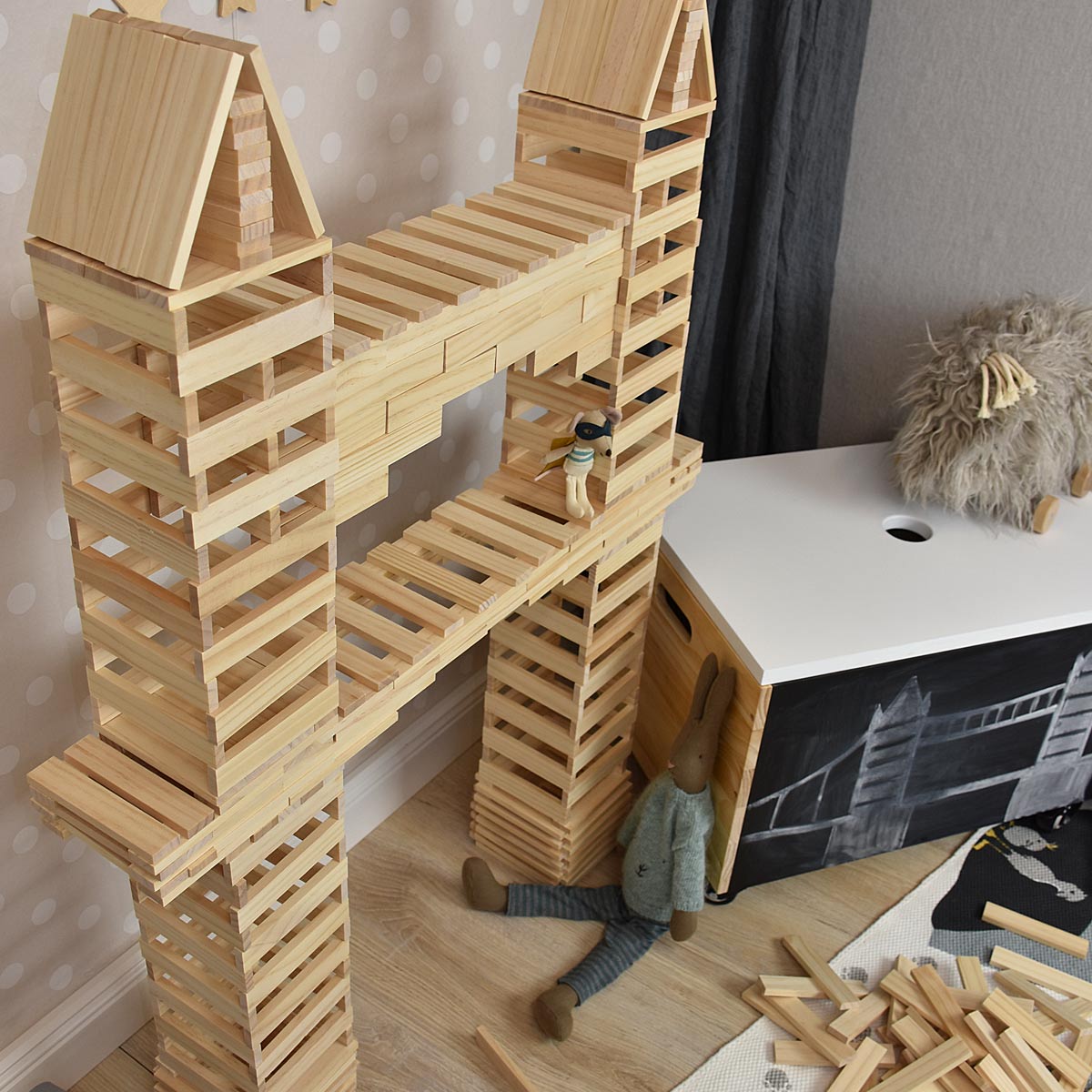
Children with access to fewer toys tend to play more creatively. They invent new ways to use objects, engage in longer play sessions, and develop problem-solving skills. Wooden toys are especially effective, as they encourage open-ended play and imaginative thinking.
3. Age-Appropriate Selection Over Quantity
Each developmental stage has different needs. Babies benefit from grasping toys and simple shapes, while preschoolers thrive with role-play sets and construction materials. Instead of buying many similar items, parents should choose toys that match their child’s current stage.
4. Quality Over Quantity
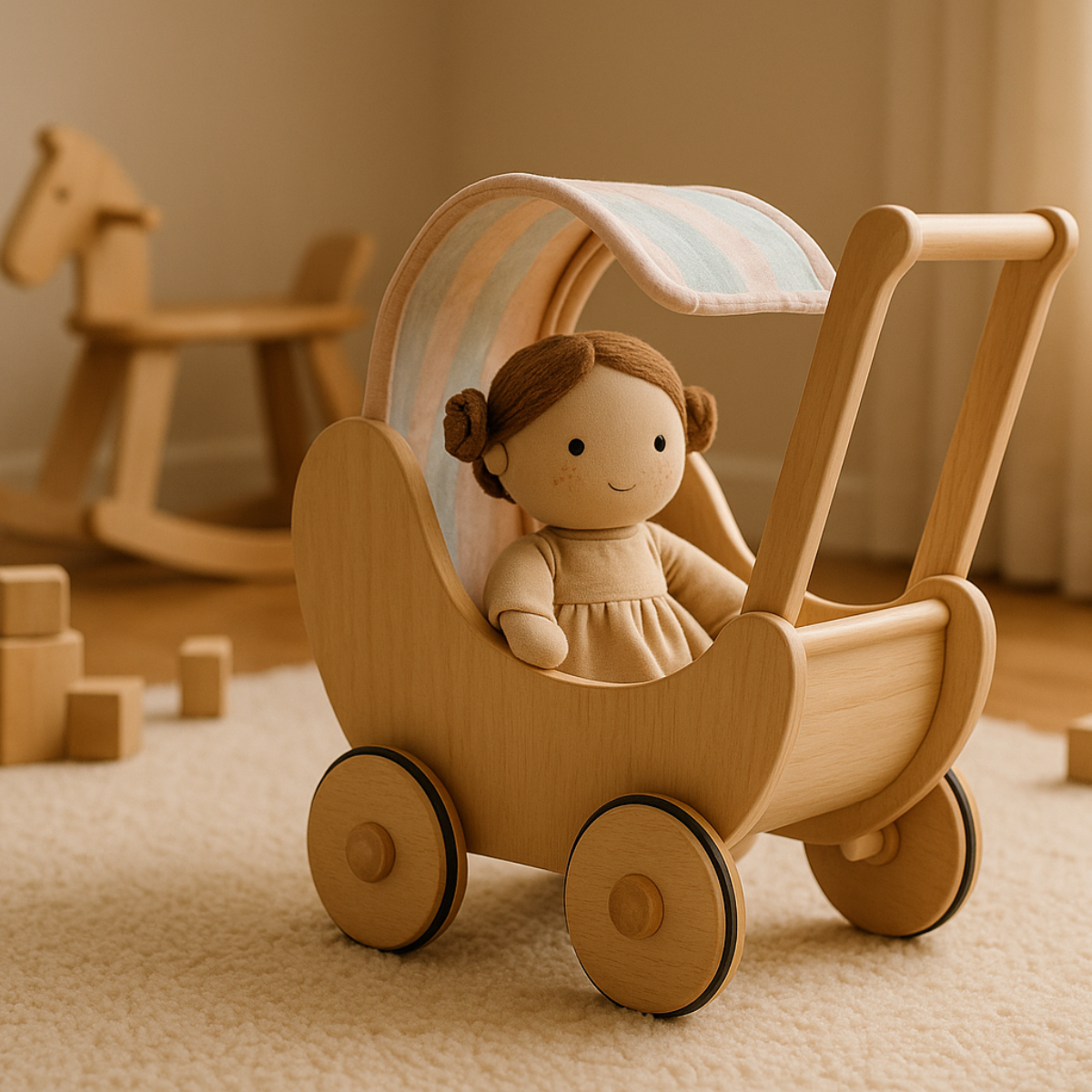
Durable, non-toxic, and educational toys are far more valuable than disposable mass-market products. Wooden toys stand out for their longevity, safety, and timeless design. They can be used for years and even passed down to siblings or future generations.
5. The Role of Parents
Children don’t need an abundance of toys—they need time, space, and connection. Parents who play along, observe, or simply stay present support their child’s development more than any new product. Shared play strengthens emotional bonds and social skills.
6. Practical Tips for Everyday Life
-
Regularly declutter and rotate toys
-
Focus on meaningful gifts (e.g., experiences instead of objects)
-
Involve children in choosing and caring for their toys
-
Create structured play areas to reduce overstimulation
Conclusion
Children don’t need a lot of toys—they need the right ones. A smaller, well-chosen selection supports creativity, focus, and emotional well-being. Parents who make conscious choices and stay engaged create a play environment where children truly thrive.

Leave a comment
This site is protected by hCaptcha and the hCaptcha Privacy Policy and Terms of Service apply.